Menu
Biomedical & Precision Medicine
Applying Physics-Native AI to See Through the Noise of Biology
The Grand Challenge: The "Stain Variation" Problem
Histological imaging—the microscopic analysis of stained tissue—is a cornerstone of medical diagnostics and research. It's how pathologists identify cancer, how researchers study disease progression, and how new therapies are validated.
But this critical field is plagued by a fundamental problem: stain variability. The same tissue, prepared in different labs (or even in the same lab on different days), can produce images with dramatically different colors. This inconsistency makes it incredibly difficult for conventional AI models, which are trained on simple color and texture, to perform reliably. An AI trained on "light pink" tissue may fail completely when shown "dark purple" tissue, even if the underlying biology is identical.
This unreliability is a major barrier to the adoption of trustworthy AI in digital pathology, where diagnostic consistency can be a matter of life and death.
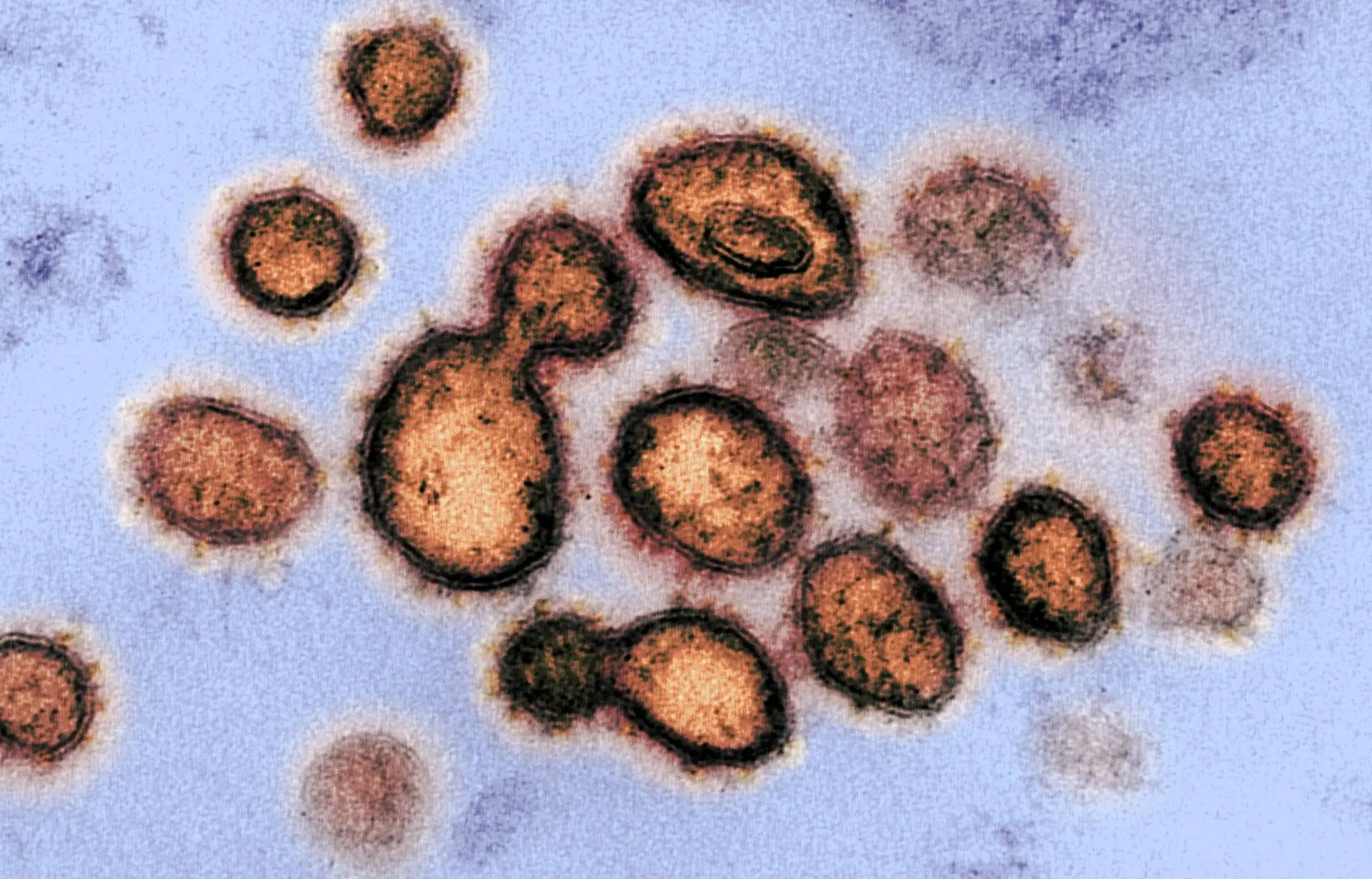
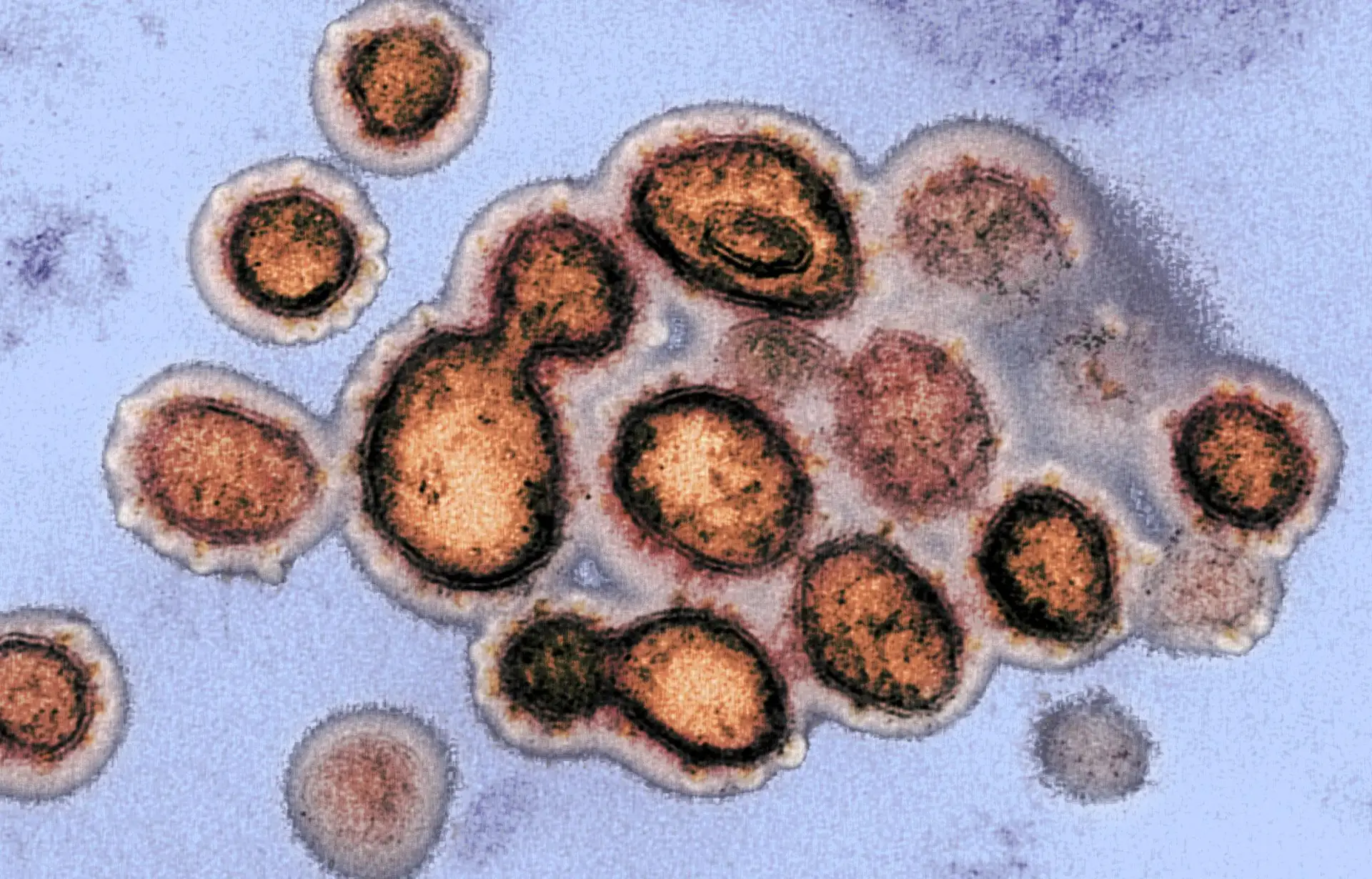
Lab A (Light Stain)
Same Tissue,
Different Look
AI Fails →
Lab B (Dark Stain)
The Styx AI Solution: The IS3 Pathology Engine
Proprietary Technology
The IS3 Pathology Engine utilizes our physics-native nuclear dominance operators.
Status: Patent Pending (U.S. App. No. 63/940,736)
Our IS3 Pathology Engine is a new paradigm for histological analysis, built from the ground up to solve the problem of stain variability.
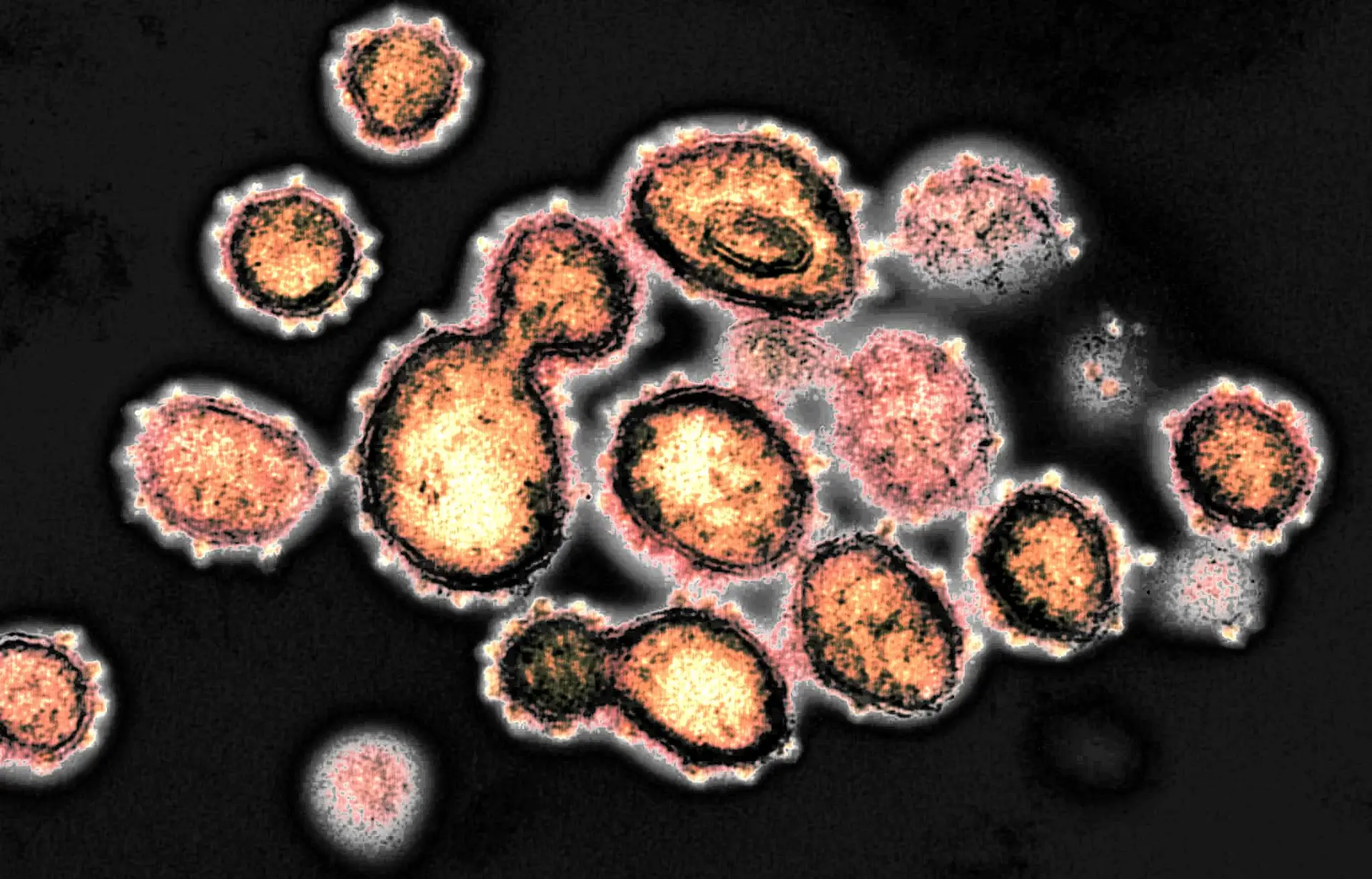
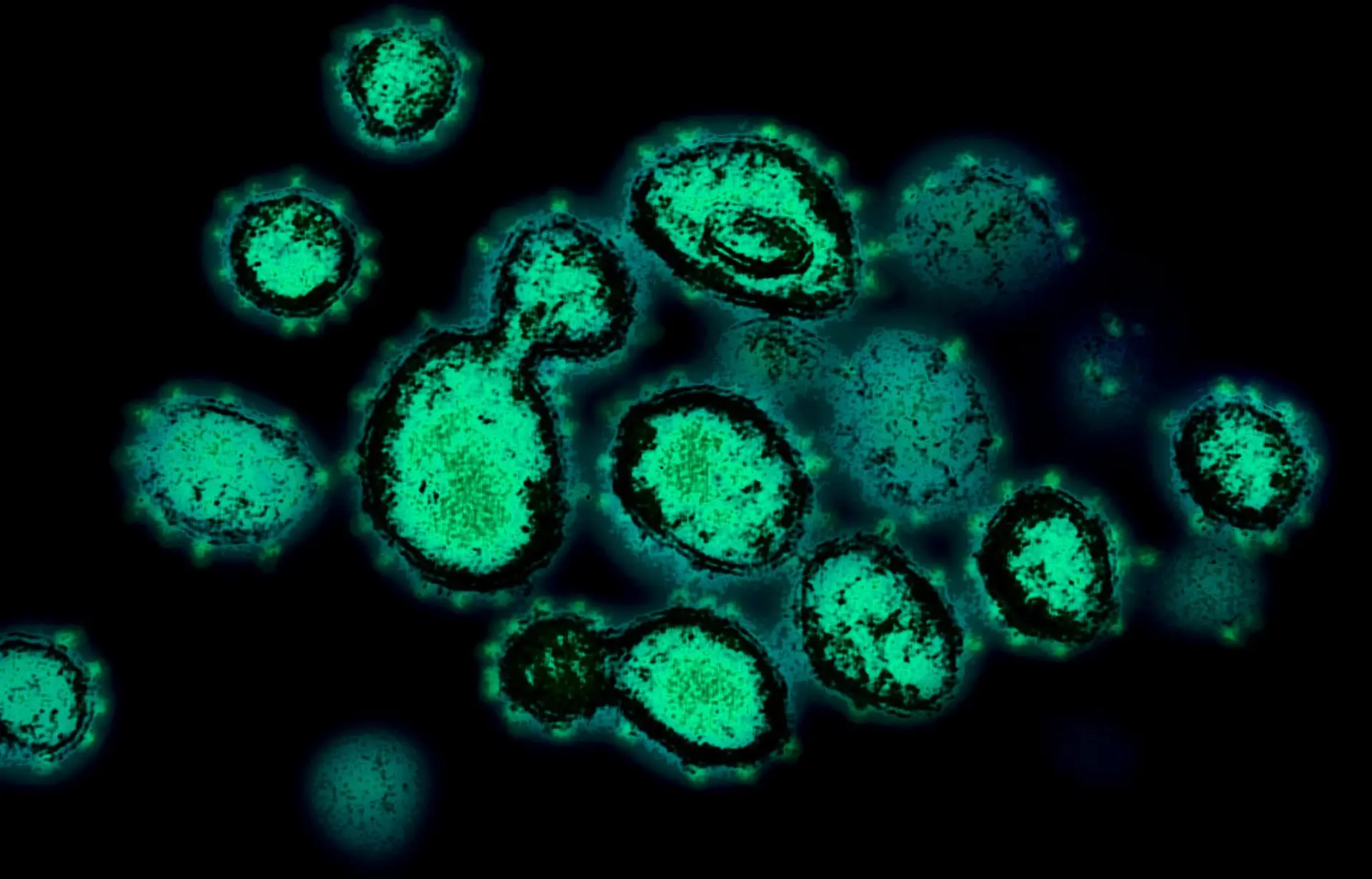
Instead of relying on brittle color and texture patterns, the IS3 engine uses our "Physics-Native" ISED framework to "see through the stain". It deconstructs the image by analyzing the underlying physical and spectral relationships between the stain components (like Hematoxylin and Eosin). These relationships are far more stable and consistent across different preparations than the absolute color values.
In short, while conventional AI tries to learn what "dark purple" means, our IS3 engine learns the fundamental physical signature of a "cell nucleus," regardless of whether it's stained light purple or dark purple.
Input Layer: Unreliable Color Data
↓
Styx AI IS3 Engine
(Analyzes Physical & Spectral Relationships)
(Analyzes Physical & Spectral Relationships)
↓
Output Layer: Reliable Structural & Physical Features
Core Capabilities
Robust Feature Extraction
Accurately identify and quantify critical histological features—such as mitotic figures, nuclear pleomorphism, and cell density—with unparalleled consistency, even across images from different labs and staining protocols.
Interpretable "Glass Box" AI
Because our engine is built on understandable physical principles (ISED) rather than an opaque "black box," its results are transparent and auditable. This builds trust and allows pathologists to verify the "why" behind an AI-driven insight.
Quantitative Precision at Scale
Move beyond subjective scoring. The IS3 engine provides objective, reproducible, and quantitative data for key biomarkers and morphological features, enabling a new standard of precision for research and clinical trials.
Empowering the Future of Precision Medicine
The IS3 engine and our underlying ISED framework are transformative tools designed to accelerate discovery and improve patient outcomes.
Accelerating Pharmaceutical Research
Enable high-throughput, quantitative analysis of pre-clinical and clinical trial slides. By providing consistent data from multi-center studies, we help pharmaceutical companies get clearer, faster insights into drug efficacy and toxicology.
Enhancing Pathologist Workflows
Act as a powerful "digital assistant" for pathologists. Our engine can pre-screen slides, flag regions of interest, and provide objective quantitative scores, reducing manual labor and increasing diagnostic confidence and consistency.
Discovering New Biomarkers
Our ISED framework can detect subtle, complex spectral-relational "fingerprints" in tissue that are invisible to the human eye. This opens a new frontier for discovering novel digital biomarkers for early disease detection and patient stratification.
Choose a model ContributePowering Next-Generation Diagnostics
The IS3 engine provides the robust, reliable, and interpretable foundation needed to build and validate the next generation of AI-driven diagnostic tools, bringing the promise of precision medicine one step closer to reality.
Partner with Styx AI
We are actively seeking collaborations with leading hospitals, pharmaceutical companies, and medical research institutions. If you are facing challenges with histological data analysis, our Physics-Native approach may be the solution.
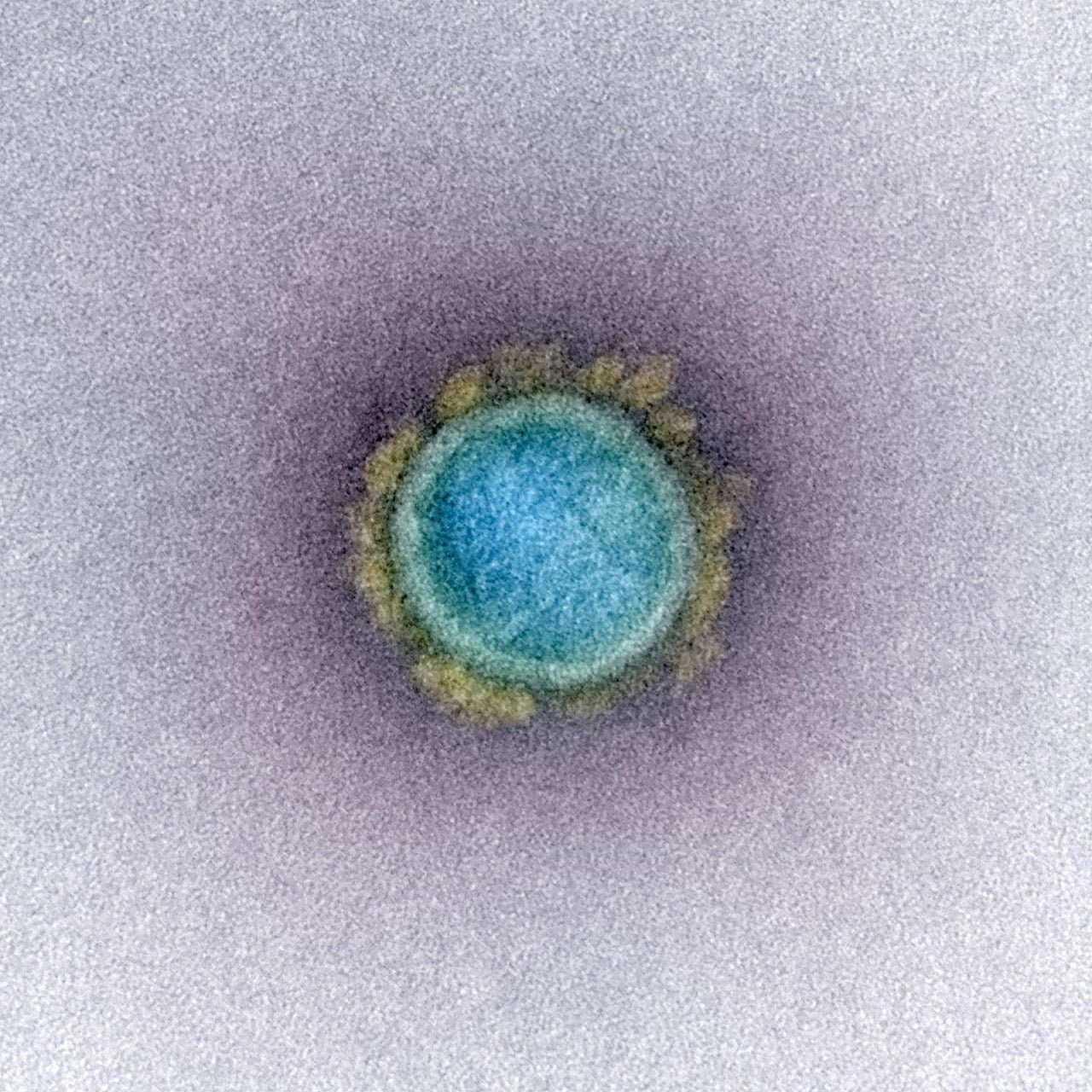
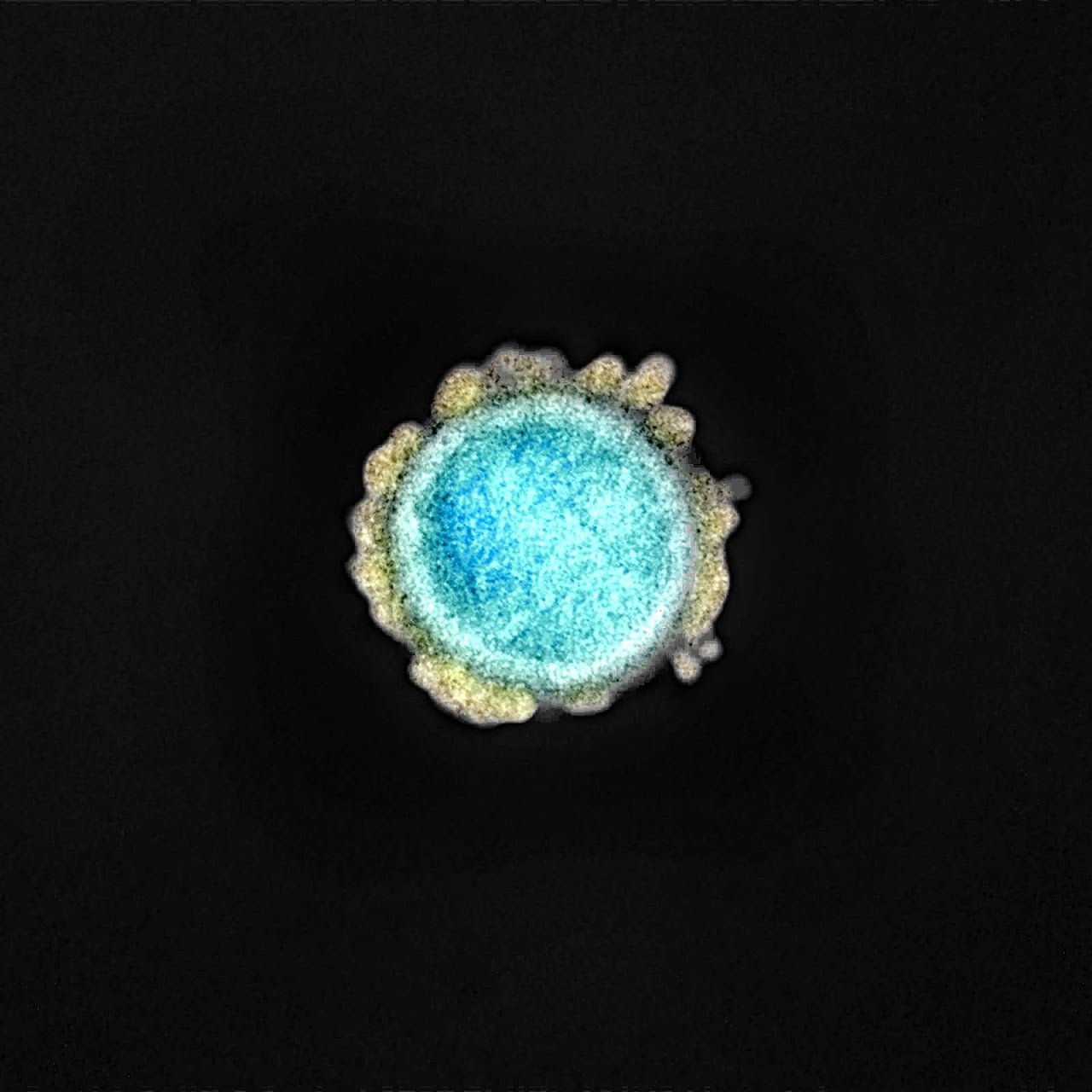

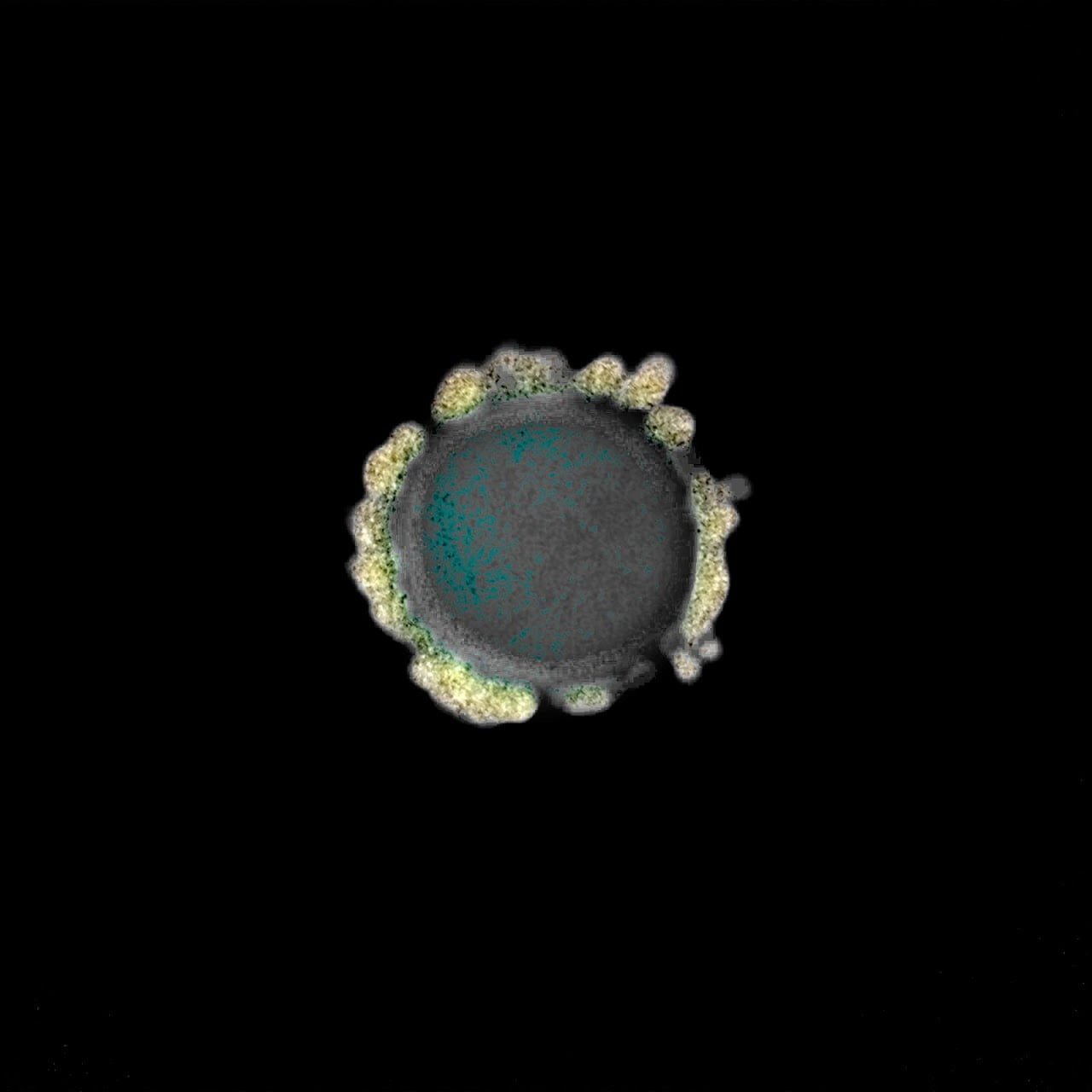
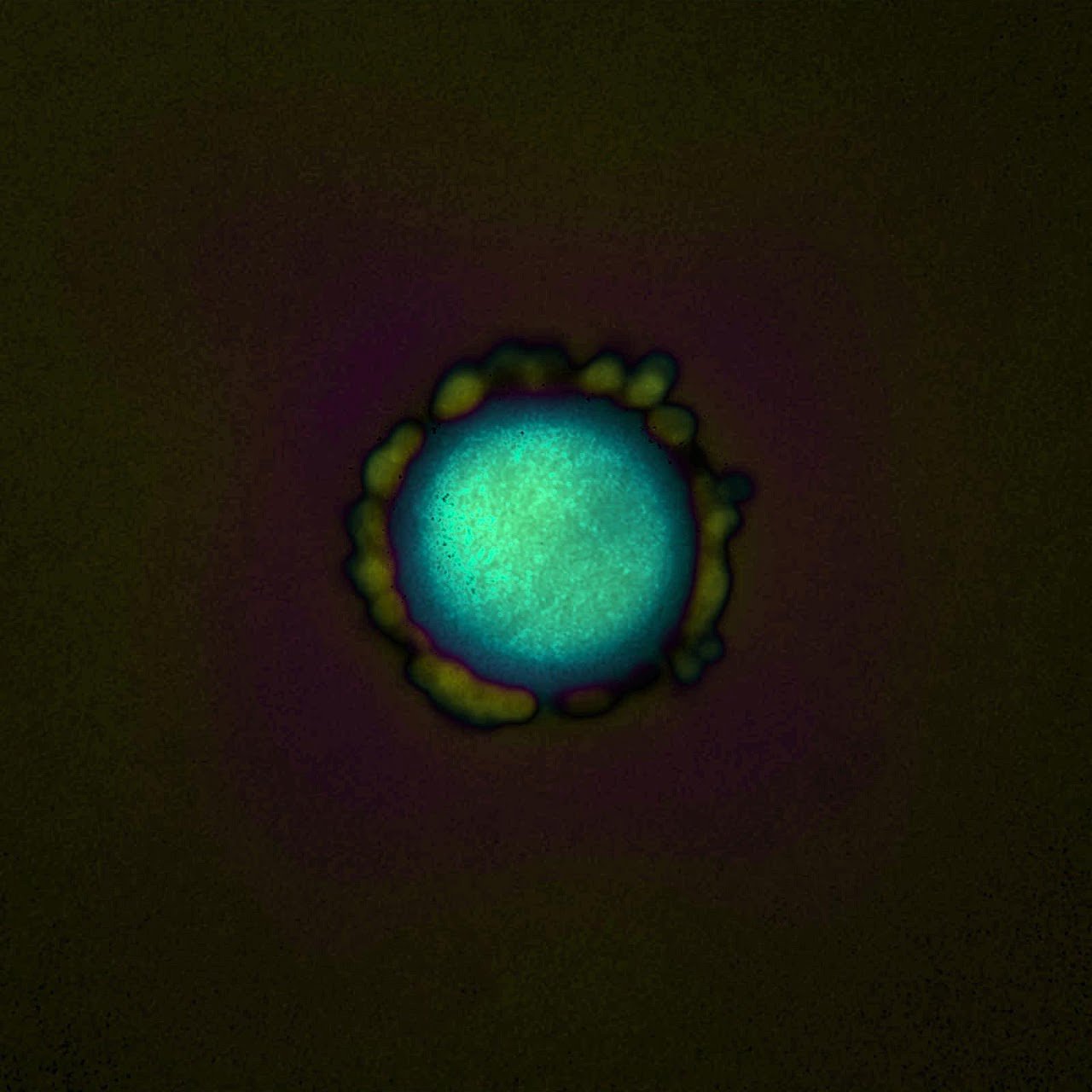
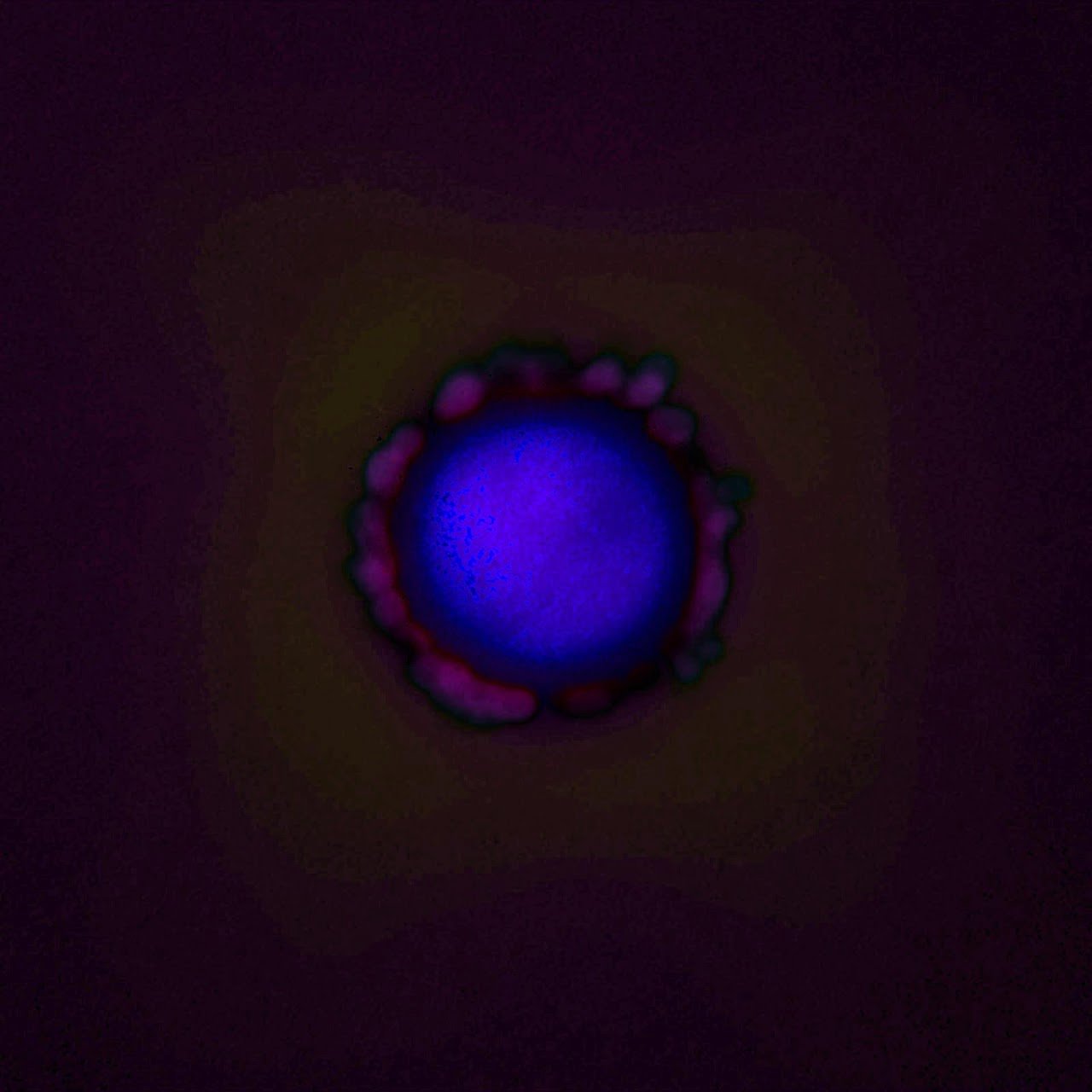

Stromal Matrix and Red blood Cells
Nuclei Isolation
Original Sample Stain
Pseudocolor
Pseudocolor
Pseudocolor
Pseudocolor
Pseudocolor
.
Pseudocolor
Nuclei Isolation