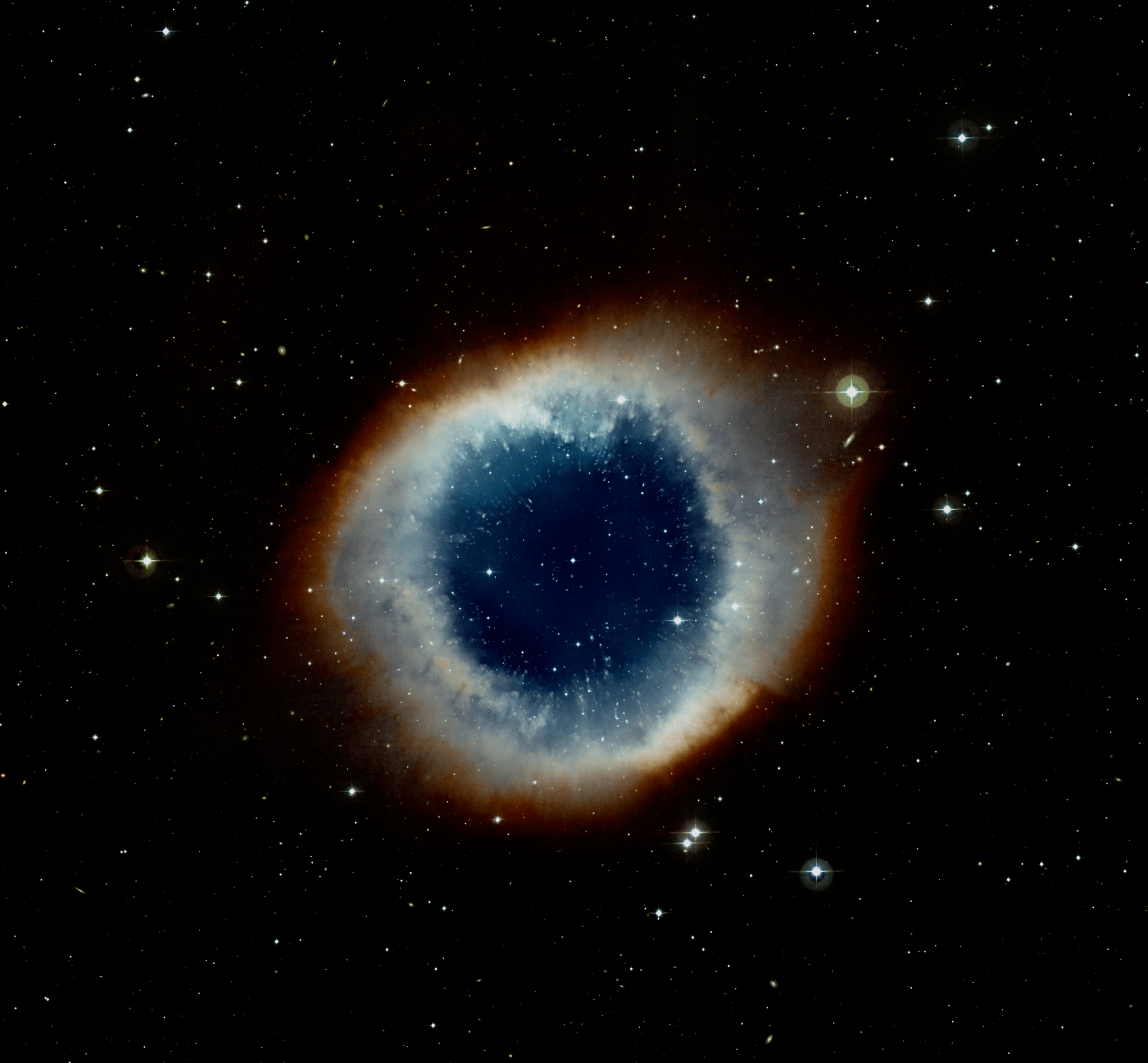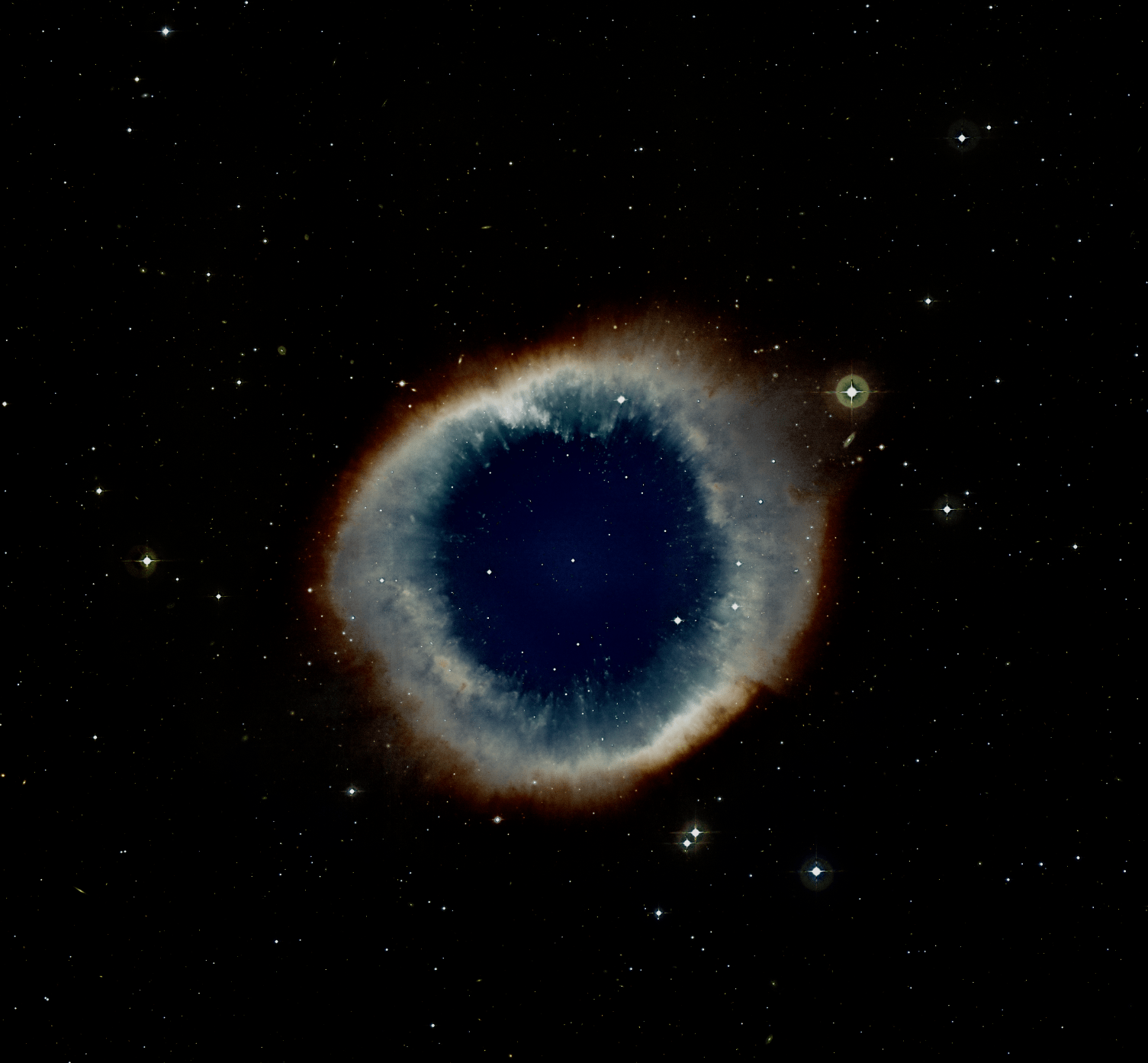
Menu
Styx AI & Astronomy
Beyond Pretty Pictures: Using Physics-Native AI to Deconstruct the Cosmos
The Challenge of Astronomical Imaging
Modern astronomy captures the universe in breathtaking detail. Telescopes like the VLT, Hubble, and JWST produce vast datasets across multiple wavelengths of light (e.g., visible, infrared, X-ray). However, this data is not a simple photograph. It's a complex, multi-dimensional dataset capturing faint signals obscured by noise, interstellar dust, and the glare of bright stars.
The greatest challenge lies in data fusion and interpretation. How do you combine data from different sensors, each telling a different part of the story, into a single, coherent model? How do you distinguish faint, distant structures from foreground noise? And critically, how do you determine the true 3D structure of an object, like a nebula, from a set of flat 2D images?
The Styx AI Solution: The OMEGA Pipeline
Proprietary Technology
The OMEGA reconstruction pipeline is powered by the Styx AI ISED framework.
Status: Patent Pending (U.S. App. No. 63/940,736)
At Styx AI, we build technology from first principles. Our OMEGA pipeline is a revolutionary approach to astronomical visualization, designed specifically to solve these fundamental challenges.
Instead of using conventional "statistical" AI that just learns to make images "look good," the OMEGA pipeline acts as a computational physicist. It ingests multi-wavelength data and performs a deep analysis of the physical and spectral relationships within it, leveraging our core ISED (Inter-Channel Spectral Contrast) framework.
It deconstructs the image by asking physical questions:
- What are the spectral signatures of known emission lines (like H-alpha, [OIII], and [SII])?
- How do the relationships (contrasts) between these spectral channels change across the image?
- Based on the physics of ionization, what do these spectral relationships tell us about the physical structure, density, and likely depth of the gas clouds?
OMEGA Pipeline: Conceptual Flow
2D Data
(H-alpha)
(H-alpha)
2D Data
([OIII])
([OIII])
2D Data
([SII])
([SII])
↓
Styx AI Physics-Native Analysis
(Spectral Coherence & Physical Priors)
(Spectral Coherence & Physical Priors)
↓
Inferred 3D Structural Model
The Output: A High-Fidelity 3D Model
The OMEGA pipeline's analysis results in a custom, high-fidelity 48-bit color depth map. This is not a simple image; it is a rich data packet that encodes multiple layers of crucial, physically-grounded information.
Source 2D Data
→
OMEGA Physics-Native Analysis
Analyzes spectral relationships, physical priors, and structural coherence.
→
48-Bit
High-Fidelity
Data Packet
This multi-layered data packet provides the high-quality, physically-consistent information necessary to create compelling 3D visualizations, like the Carina Nebula video. It allows us to move beyond flat, 2D representations and explore the intricate, three-dimensional beauty of the cosmos in a way that is grounded in real science.
Applications in Modern Astronomy
Multi-Wavelength Fusion
Our framework is designed to fuse data from multiple telescopes (e.g., Hubble, JWST, ESO) into a single, coherent 3D model, allowing scientists to see the relationships between different physical processes (e.g., infrared dust clouds and visible-light emission lines) in three dimensions.
Nebula Structure Analysis
By inferring 3D geometry from spectral data, OMEGA provides an unprecedented tool for mapping the complex, layered structures of star-forming regions and planetary nebulae, helping scientists test and refine their models of stellar evolution and gas dynamics.
Discovery & Public Outreach
By revealing hidden structures and providing intuitive 3D visualizations, our technology accelerates scientific discovery. It also creates stunning, scientifically-accurate content for museums, documentaries, and educational programs, making the wonders of the universe accessible to all.
Partner with Styx AI
Styx AI is actively seeking partnerships with research institutions, observatories, and educational organizations. If you have complex astronomical data that needs a new dimension of analysis, our OMEGA pipeline may be the solution.
A New Perspective on the Ring Nebula
Witness the James Webb Space Telescope's breathtaking image like never before—in stunning 3D.
We take you on a journey through the glowing shells of gas and dust left behind by a dying star, revealing a sense of scale and structure hidden within the flat, 2D photograph.
This visualization is powered by the advanced Styx AI OMEGA pipeline, transforming a static image into a dynamic, explorable scene.
About the Ring Nebula (M57)
Located about 2,600 light-years away, the Ring Nebula is the glowing remains of a star not unlike our own sun. As it ran out of fuel, it expelled its outer layers into space, creating the intricate, colorful structure we see today.
This new view from the JWST reveals incredible detail in the nebula's filamentary hydrogen shell and the hot, blue gas of the interior. Our 3D visualization helps to separate these layers, showing the main ring as a distinct structure from the fainter, surrounding halo.
Image Credit: The source image of the Ring Nebula was captured by the James Webb Space Telescope (JWST).
Credit: NASA, ESA, CSA, N. Habel (University of Maryland), S. Kwok (University of Hong Kong), A. Zijlstra (University of Manchester), et al.
How We Did This: A New Kind of 3D Conversion
How do you fly through a 2D photograph? Our team used a proprietary computational engine, code-named OMEGA, to transform this static image into a dynamic 3D scene.
Think of it like a digital sculptor. Our advanced algorithms analyze every pixel of the NASA image, studying the interplay of color, brightness, texture, and light. By applying principles of how light behaves in space and our own "first principles" physics models, the system intelligently reconstructs a physically plausible 3D model of the nebula.
It's not just a simple effect; it's a data-driven process that turns a flat picture into a virtual world you can explore. In the video, you'll see this world brought to life through two distinct visualizations: a subtle horizontal parallax that reveals the layers and a dramatic vertical fly-through that immerses you in the nebula's grand structure.
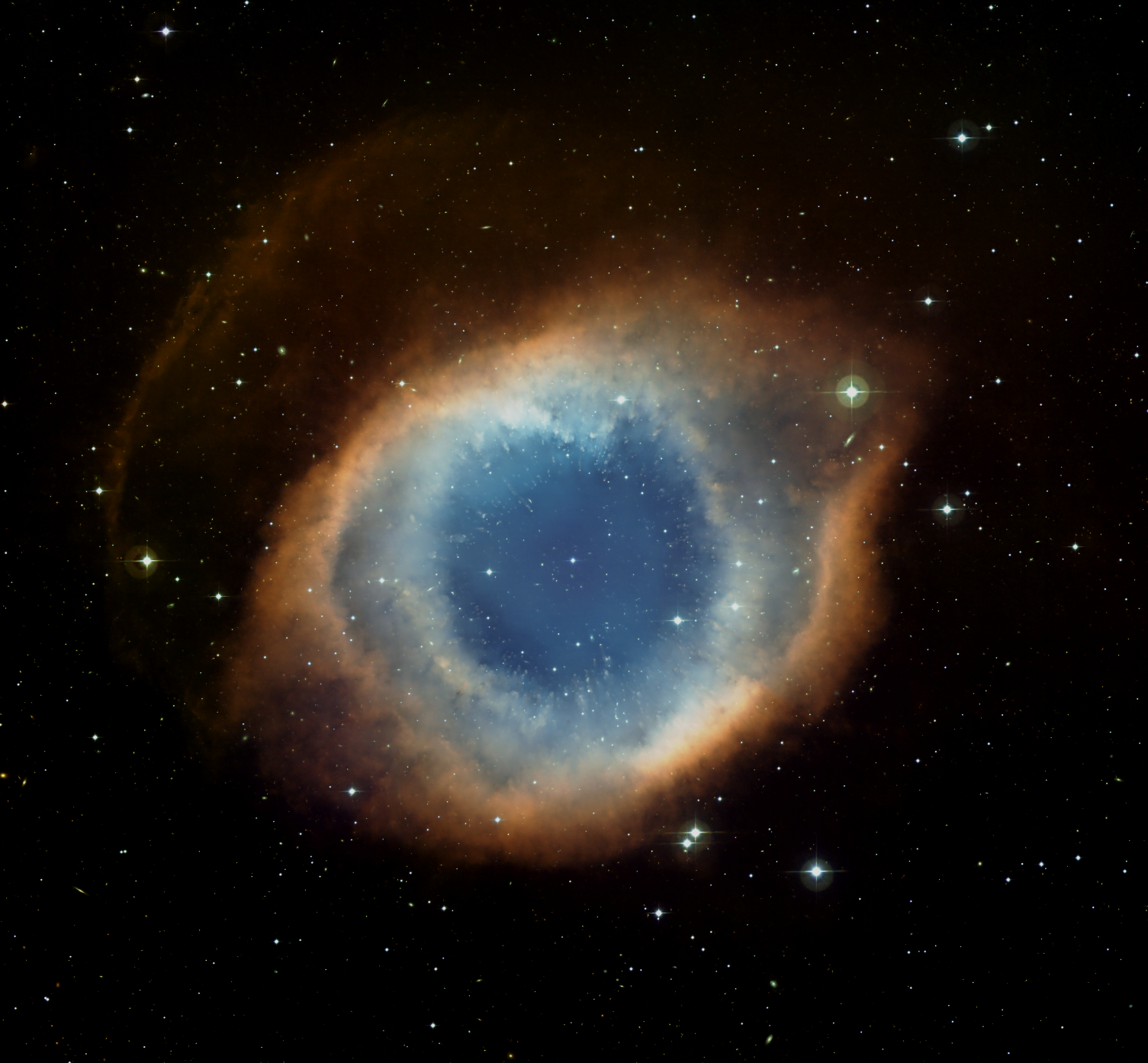
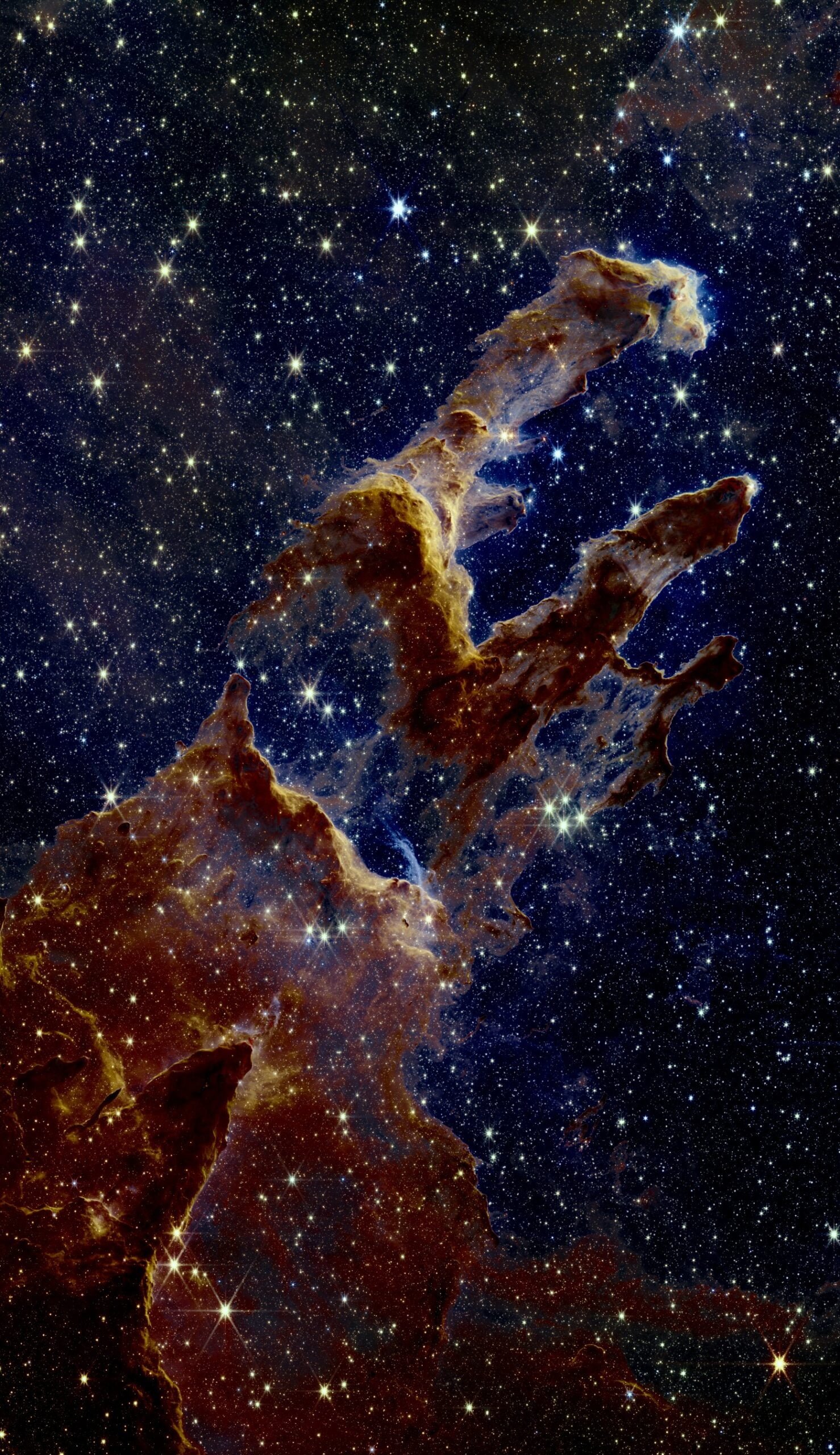
JWST 2D Source Image
→
OMEGA Pipeline Analysis
→
Inferred 3D Model
For Investors & Technologists
This demonstration is powered by the OMEGA pipeline, a next-generation 2D-to-3D conversion engine. Unlike conventional depth map techniques that produce a single, often unreliable, layer of depth information, our process generates a multi-layered data asset.
This rich file contains not only pixel-by-pixel depth but also includes channels for surface orientation (how each point is angled) and a "confidence map" that assesses the certainty of the 3D reconstruction. This information-rich output allows for unparalleled realism in lighting, texturing, and VFX integration, opening new possibilities for scientific visualization, entertainment, and the creation of digital assets for virtual worlds.
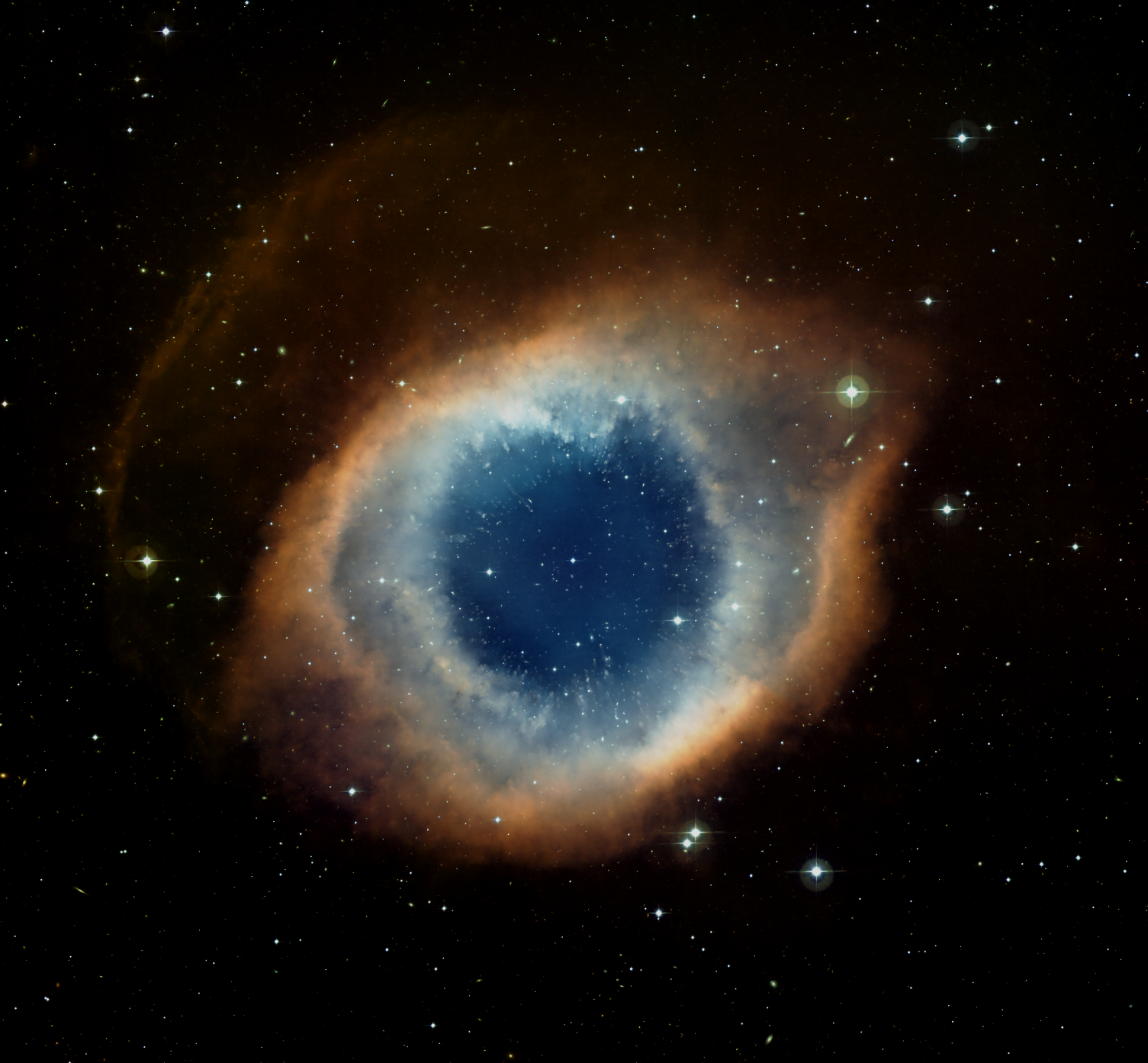
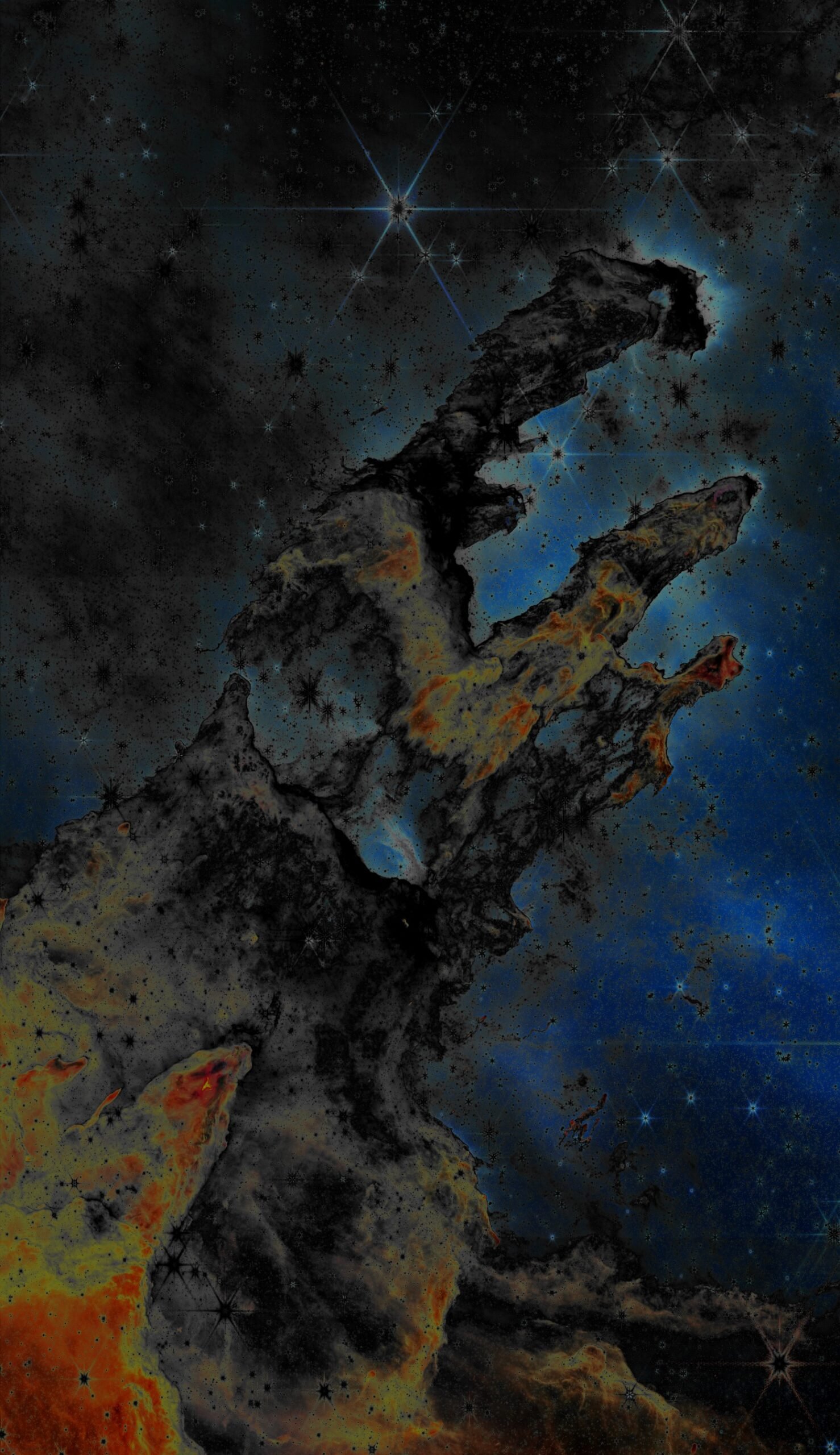
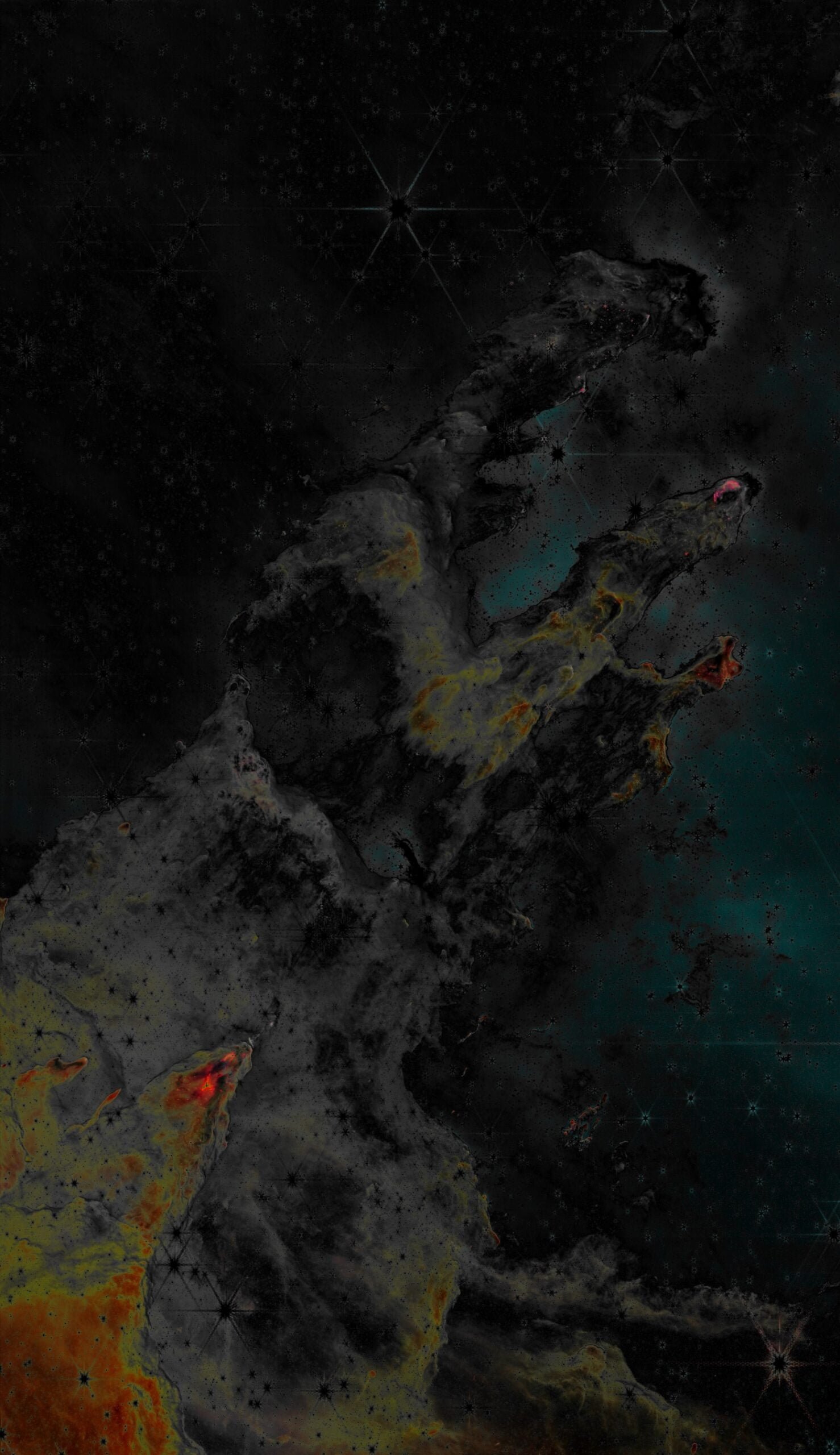
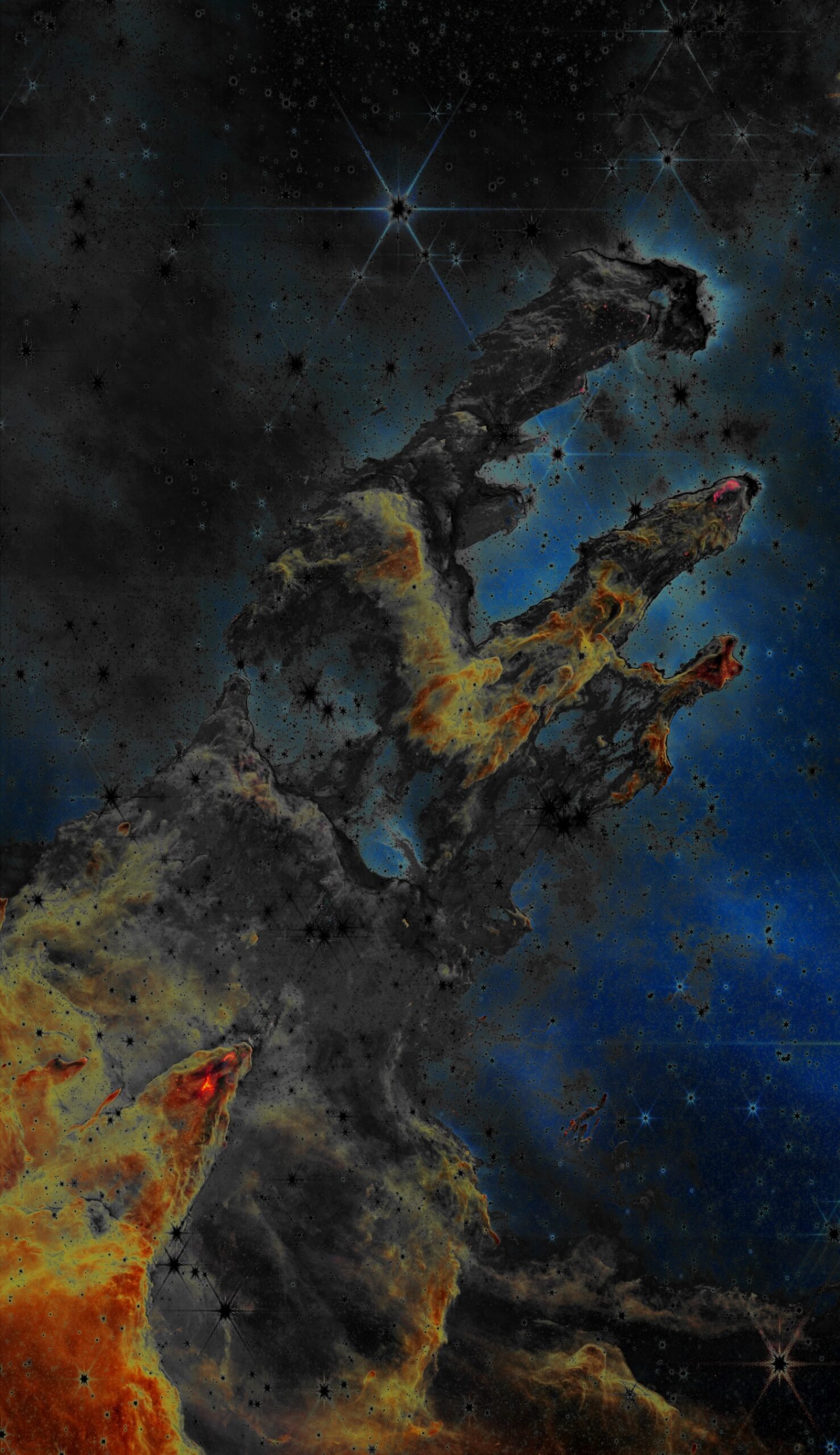
Layer 1: Inferred Depth
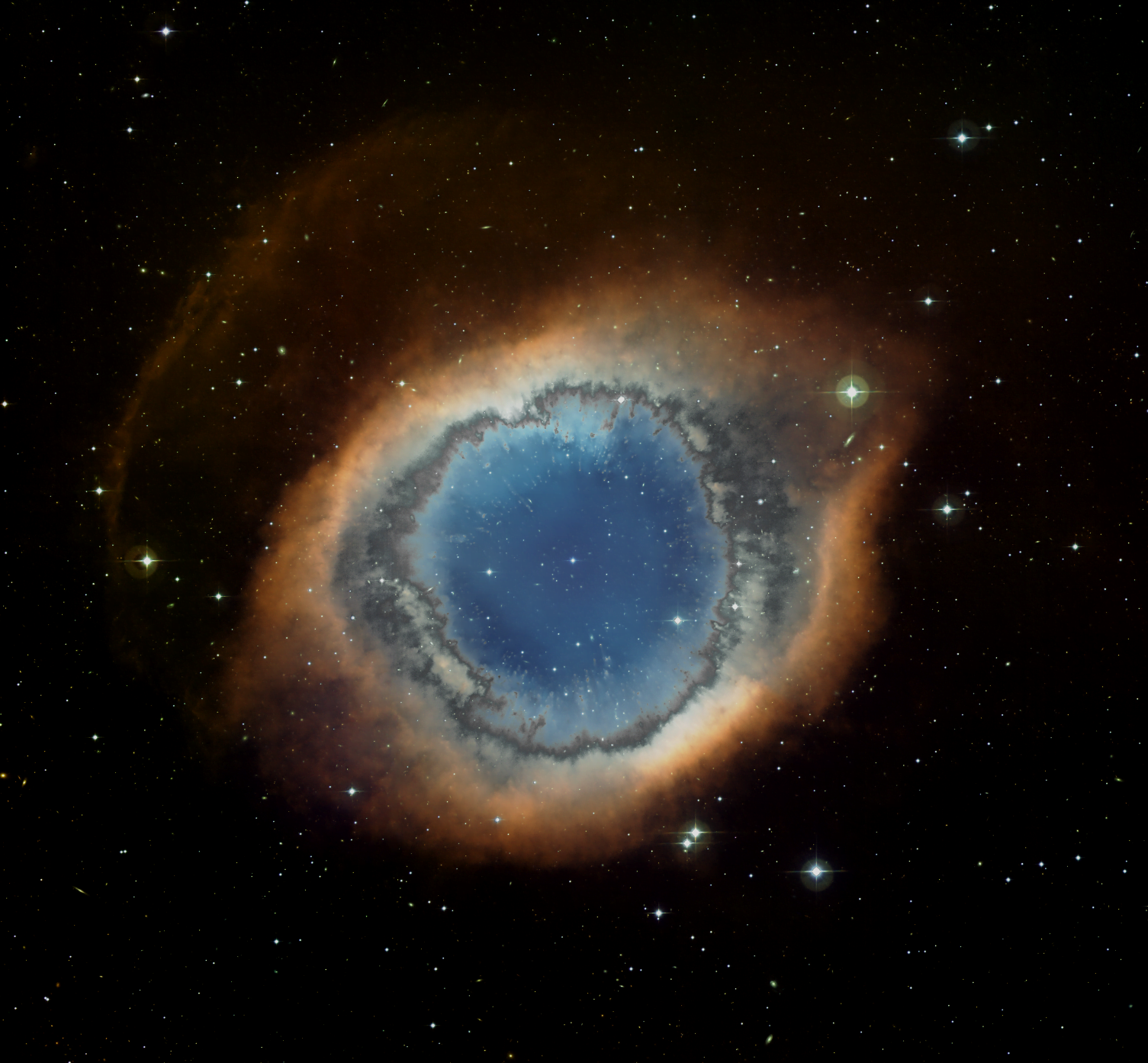
Layer 2: Surface Normals
Layer 3: Confidence Score
Explore with Us
Like what you see? Styx AI is dedicated to pushing the boundaries of what's possible in scientific visualization and computational imaging.
Video & Music: STYX AI
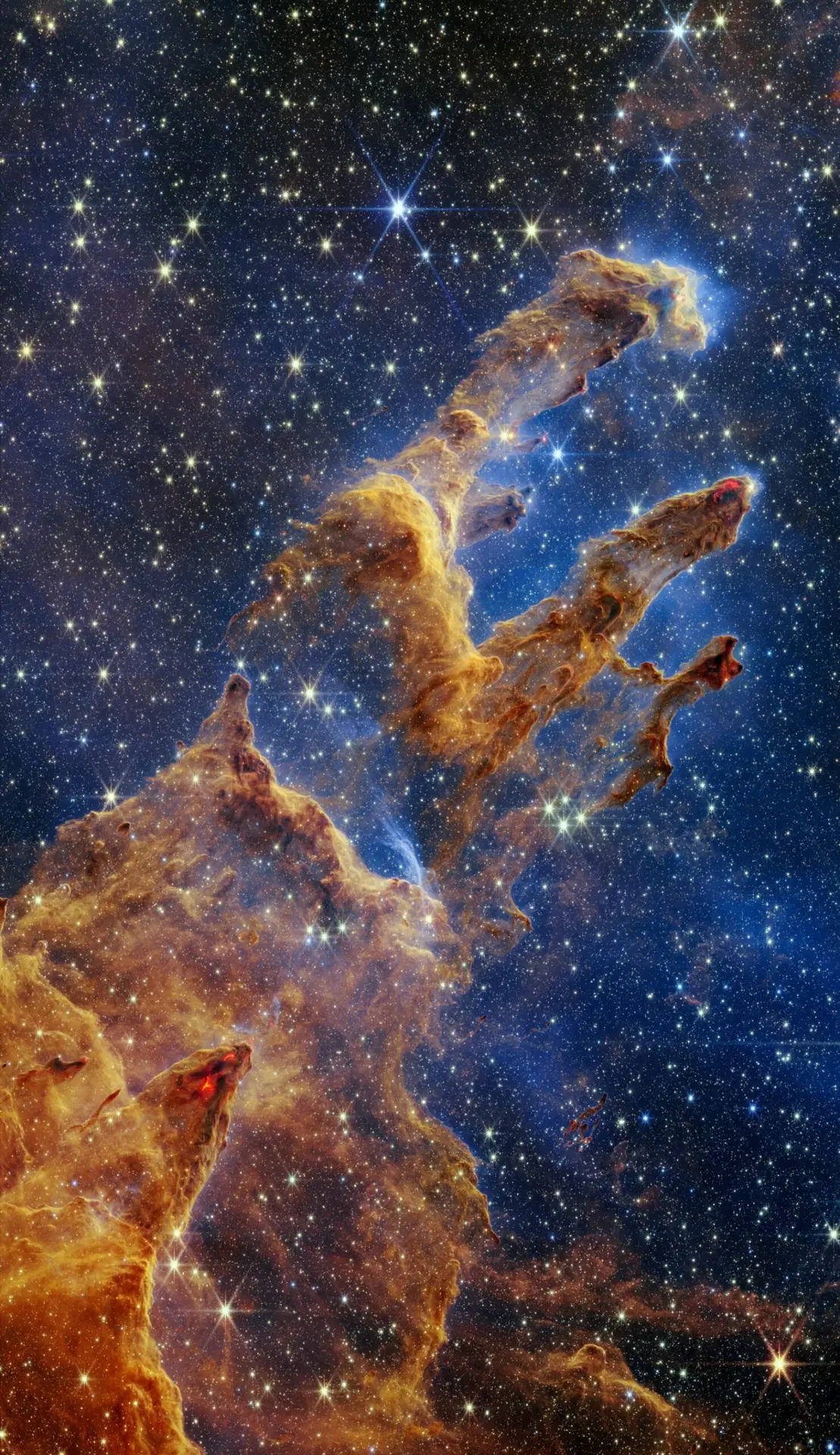


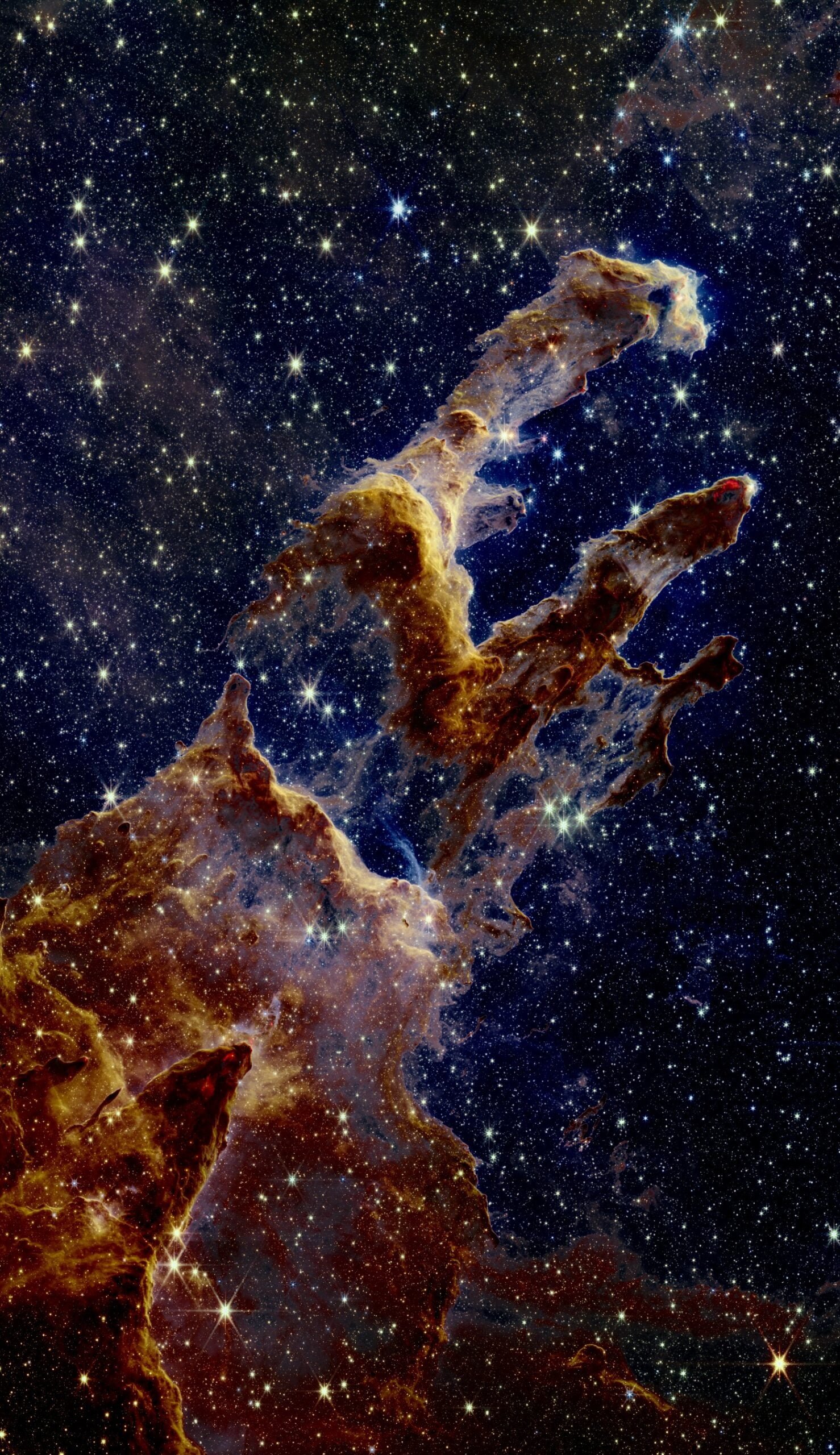


Galaxy Cluster MACS J0416
Original Image Credit: NASA, ESA, and M. Montes
Tarantula Nebula
Original IMAGE: NASA, ESA, CSA, STScI, Webb ERO Production Team
Processed by STYX AI
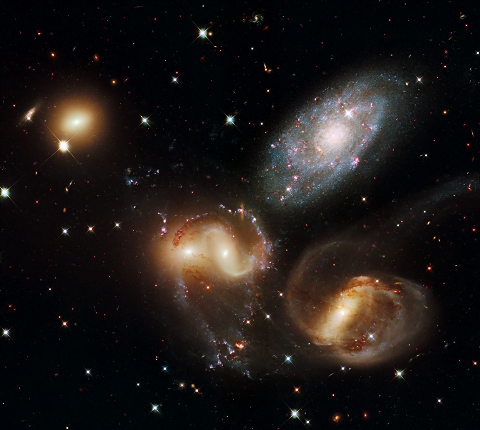
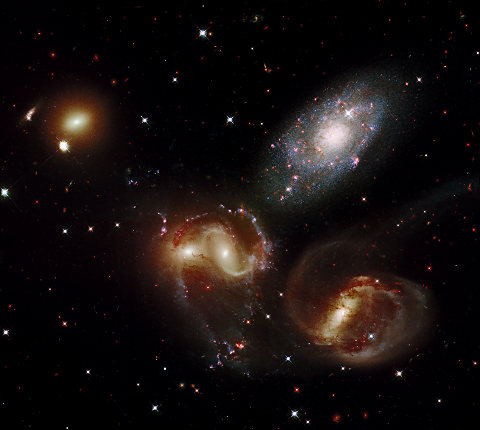
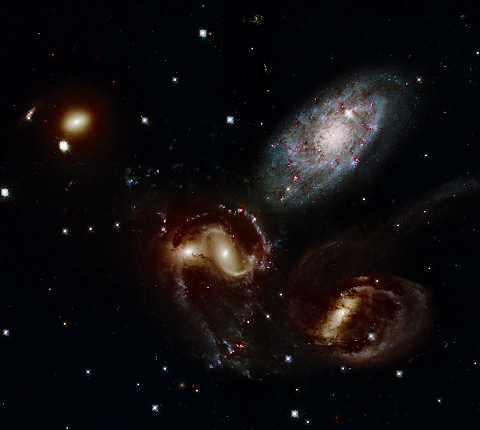
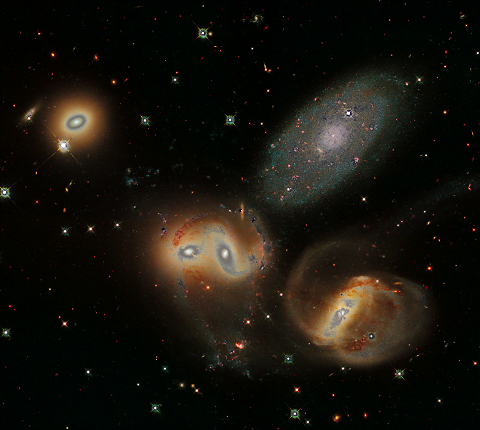
The Hickson Compact Group 40
Credit:NASA, ESA and STScI
Processed by STYXAI